 (Image source: AI)
 Think of your arteries as the high-speed rail system of your body. When the tracks are smooth and the cars are agile, everything gets where it needs to go on time. But when those tracks get stiff or clogged, the whole system starts to grind to a halt. In 2026, we've moved past just looking at your heart as a pump. We now know that arterial health is the real baseline for your cardiovascular. When your arteries are flexible and clear, your heart doesn't have to work nearly as hard. It's the difference between blowing air through a wide straw versus a coffee stirrer. Flexible vessels can expand and contract to manage blood pressure naturally, which protects your organs from the wear and tear of high pressure over the long haul.
So what does this actually mean for you? It means you've got to stop thinking about heart health as something that happens in your sixties. It's happening right now, at every meal. Taking a proactive mindset toward your dietary choices isn't about restriction. It's about giving your internal delivery system the high-grade maintenance it deserves to keep you moving for decades.
The Power of Fiber Natures Arterial Scrubber
Have you ever thought of fiber as a literal scrubber for your bloodstream? Although that's a bit of a simplification, it's not far off from how soluble fiber works. This specific type of fiber turns into a gel in your gut, binding to cholesterol and dragging it out of your body before it can settle into your arterial walls.
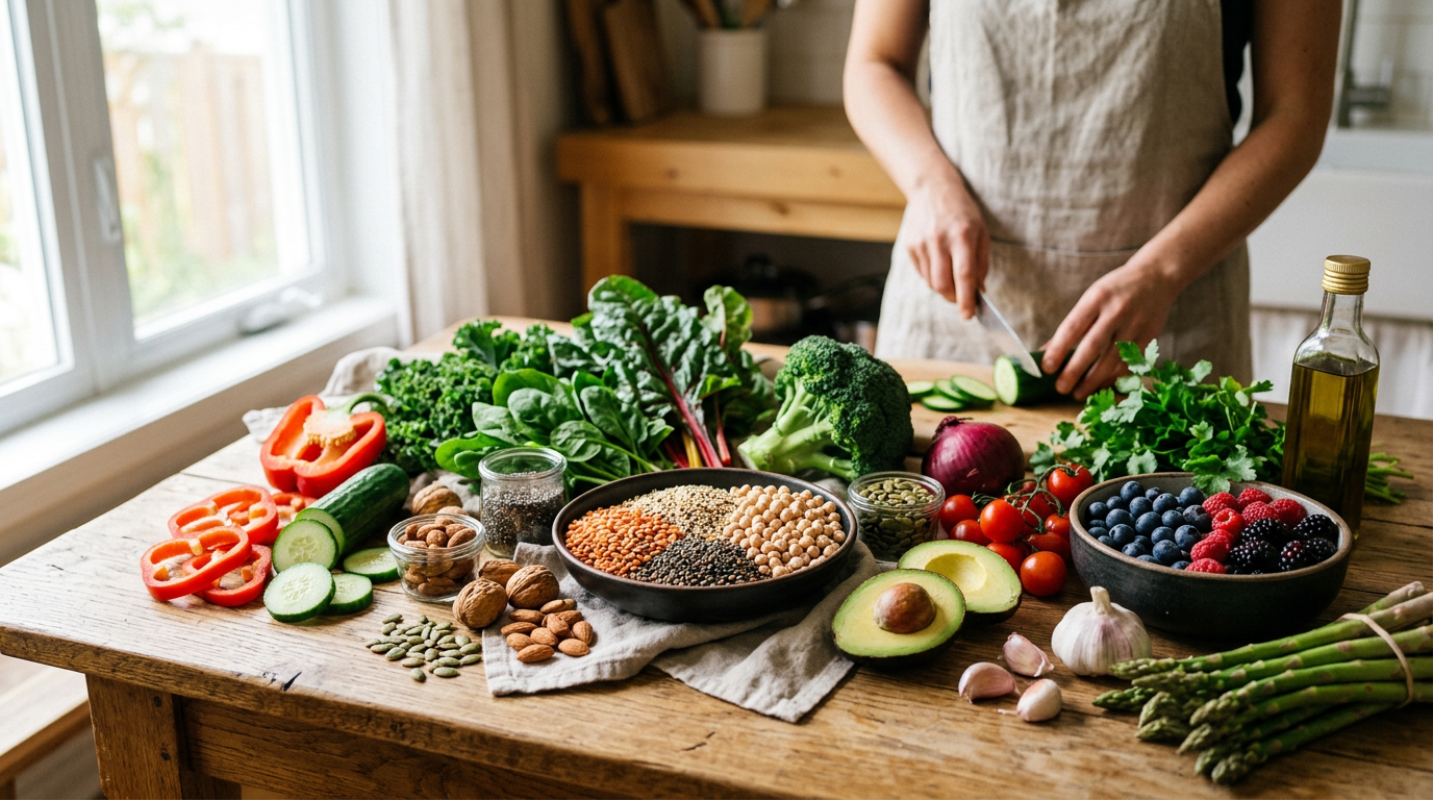
If you're looking for the top-tier sources, you can't go wrong with oats, legumes, and cruciferous vegetables like broccoli or Brussels sprouts. But the real magic happens in your gut microbiome. As of 2026, we understand the gut-vascular axis better than ever. When you eat fiber, bacteria like Faecalibacterium produce short-chain fatty acids (SCFAs) like butyrate. These metabolites enter your blood and actively reduce systemic inflammation, which is a primary driver of arterial stiffness.
There's also a silent hero in this story: stable blood sugar. High-fiber meals prevent the massive glucose spikes that can scar the delicate endothelium, the inner lining of your vessels. By keeping your blood sugar levels on an even keel, you're protecting the physical integrity of those arterial walls from the inside out.
Healthy Fats Fueling the Hearts Engine
Let's clear the air about fat. You don't need a low-fat diet to have a healthy heart. In fact, your heart's engine runs beautifully on the right kinds of fuel. The key is differentiating between inflammatory fats and heart-protective omega-3s. Although saturated fats from red meat and full-fat dairy are now treated with more caution in the 2025-2030 Dietary Guidelines, plant-based liquid oils are the real stars of the show.
The "Green" Mediterranean diet is a perfect example of this. Recent data from the DIRECT-PLUS trial showed that this specific pattern, which is rich in walnuts and olive oil, can regress aortic stiffness by a staggering 15%. That's double the effect of the traditional version. Walnuts are particularly great because they're packed with alpha-linolenic acid (ALA) and polyphenols that directly support your endothelial lining.
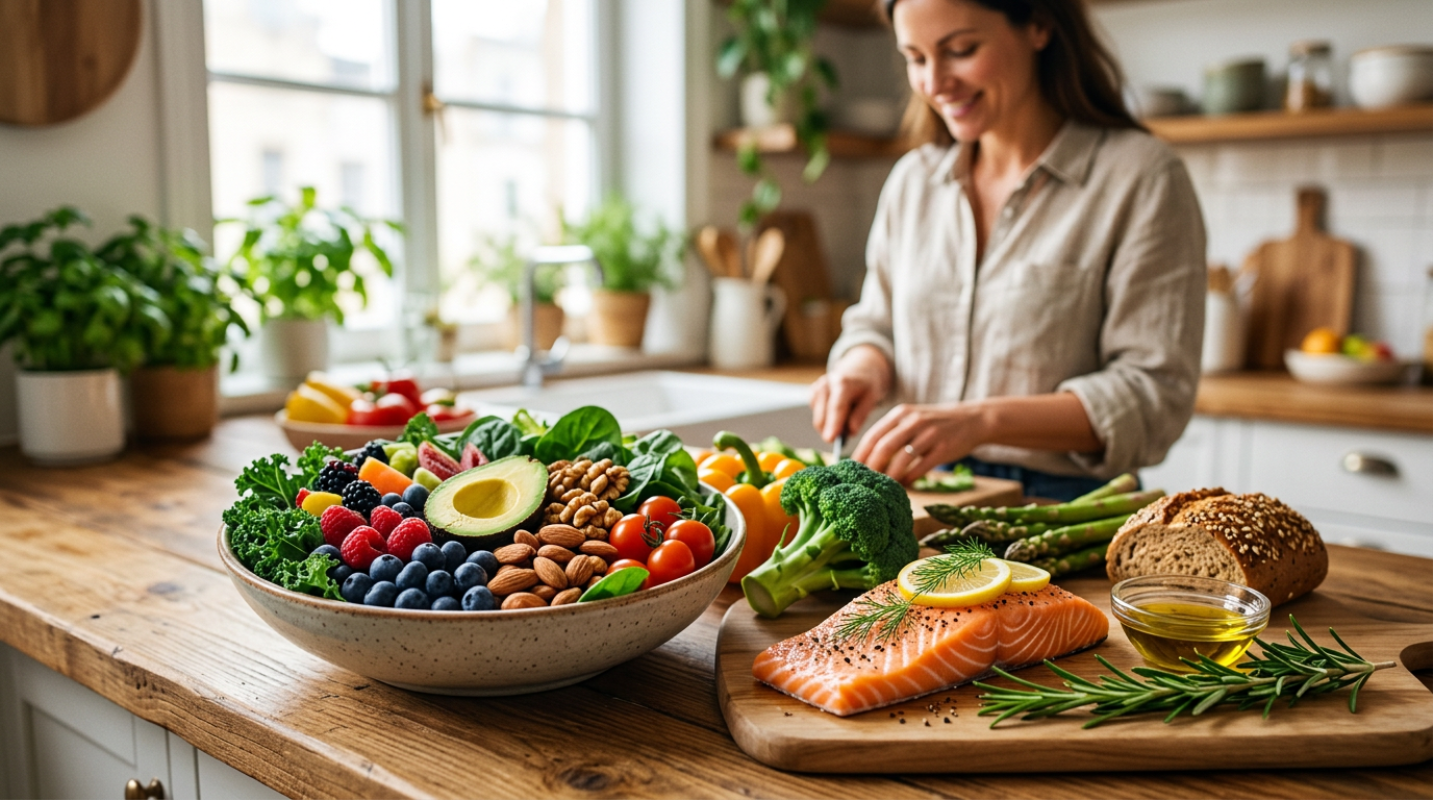
Replacing saturated fats with plant-based alternatives like avocados and olive oil isn't just a swap. It's an upgrade. Monounsaturated fats help maintain the structure of your cell membranes and keep your blood flowing smoothly. Try swapping your butter for avocado on toast or using extra virgin olive oil as your primary cooking fat. Your arteries will thank you for the smoother ride.
Antioxidants and Nitric Oxide Keeping Vessels Elastic
If you want your vessels to stay elastic, you need to get familiar with nitric oxide. This is the molecule that tells your arteries to relax and open up, a process called vasodilation. Some of the best ways to boost this are through nitrate-rich foods like beets and arugula. A 2024 clinical trial found that just seven days of beetroot juice significantly improved Flow-Mediated Dilation (FMD).³
Why does FMD matter? Because every 1% increase in FMD correlates to a 7% reduction in your cardiovascular risk. It's a direct measure of how well your vessels can "snap back." Beyond nitrates, colorful produce like berries and mangos provide polyphenols that protect the endothelium from oxidative stress. A study from February 2026 even showed that eating an avocado and a cup of mango daily helped preserve endothelial function in people with prediabetes.
To get more of these benefits into your daily life, think about your tea and cocoa intake. Tea is actually one of the most effective whole-food interventions for improving vessel elasticity. Whether it's a cup of green tea in the morning or some high-flavanol cocoa in the afternoon, these small habits add up to a much more resilient vascular system.
Sustainable Habits for Long Term Heart Function
Top Recommendations
Forget the word "dieting" for a second. Lasting heart health isn't about a three-week challenge. It's about sustainable patterns like the Mediterranean or DASH approaches. Adhering to the DASH diet has been shown to reduce the 10-year risk of atherosclerotic disease by over 10%. That's a massive win for your long-term future.
Consistency beats perfection every single time. You don't have to be perfect at every meal. You just have to be consistent enough that your body has the resources it needs to repair and protect itself. We're seeing a major shift in the healthcare environment with "Food is Medicine" initiatives. Programs that provide medically tailored meals have already shown they can cut hospitalizations by nearly half.
Navigating our modern food environment is tough, but you can do it with confidence by focusing on whole, minimally processed foods. Limit the added sugars and keep your sodium in check. By making these choices the default rather than the exception, you're not just eating for today. You're building a foundation for a heart that functions at its peak for years to come.
This article on advicehelp.com is for informational and educational purposes only. Readers are encouraged to consult qualified professionals and verify details with official sources before making decisions. This content does not constitute professional advice.