 (Image source: AI)
 You've probably spent plenty of time staring at your blood sugar numbers and wondering how to move the needle. It's a common frustration. You eat the "right" things, but the results don't always follow. As we move through 2026, the conversation around metabolic health has shifted toward something called precision nutrition. This isn't just about avoiding sugar. It's about how the physical state of your food changes your internal chemistry.
The Power of Raw Nutrition for Blood Sugar Control
Raw nutrition isn't just a trend for people who love salads. It's actually a strategic way to manage how your body processes glucose. When you eat food in its raw, natural state, you're getting the full package of fiber, enzymes, and vitamins that haven't been altered by heat. This matters because your hemoglobin A1c is a three month average of your blood sugar. To lower it, you need to stop the daily spikes.
Recent data from early 2026 suggests that incorporating high-raw components into a plant-based diet can lead to an HbA1c reduction of up to 1.3 percent in just three months. That's a massive change. It happens because raw food takes longer to break down. Your body has to work for those nutrients. This consistency over time is what eventually brings that A1c number down into a healthier range.
Fiber-Rich Raw Vegetables as Glycemic Regulators
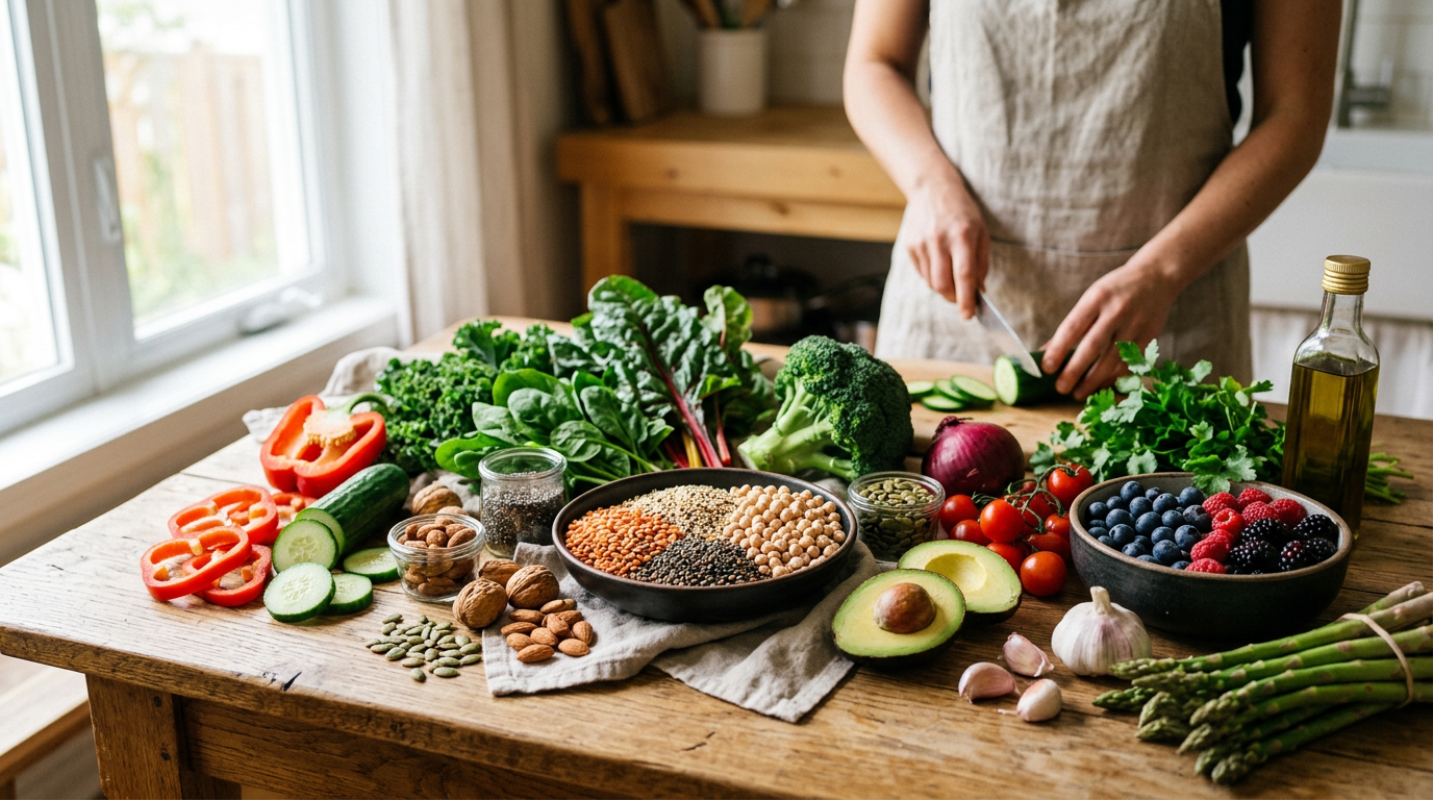
Think of raw fiber as a velvet rope at a busy club. It controls the flow. When you eat raw cruciferous vegetables like broccoli or leafy greens like kale, the insoluble fiber acts as a physical barrier in your gut. This slows down how quickly carbohydrates are absorbed into your bloodstream.
If you cook these vegetables until they're soft, you're doing part of the digestion work for your body. That sounds helpful, but it's actually the opposite of what you want for blood sugar control. Research shows that people who eat more raw vegetables have a 32 percent lower risk of developing Type 2 Diabetes compared to those who stick mostly to cooked versions. Try starting your meals with a small raw salad. This "raw first" rule can blunt your post-meal insulin spike by about 20 percent.¹
Raw Nuts and Seeds and the Healthy Fat Advantage
You might reach for roasted and salted nuts when you're hungry, but switching to raw versions is a game changer for your metabolism. Raw almonds, walnuts, and flaxseeds are packed with magnesium and healthy fats. These aren't just calories. They're tools that help your cells become more sensitive to insulin.
Heat can damage the delicate oils in nuts and seeds, which is why raw is the way to go. A study from late 2024 showed that adding raw nuts to your routine can significantly improve your HOMA-IR scores, which is just a fancy way of measuring insulin resistance. When your cells listen to insulin better, your blood sugar stays stable, and your A1c drops over time.
Low-Glycemic Raw Fruits as Nature’s Sweeteners
Can you eat fruit and still improve your A1c? Absolutely. The key is choosing low-glycemic options like berries and citrus in their whole, raw form. When you eat a raw blueberry, you're getting the sugar wrapped in a package of fiber and antioxidants.
This is very different from drinking juice or eating dried fruit. Processing and heat strip away the fiber and concentrate the sugar. By sticking to raw, whole fruits, you're protecting your hemoglobin levels while still satisfying your sweet tooth. The antioxidants in these fruits also help reduce the oxidative stress that often comes with high blood sugar.
The Synergy of Enzymes and Micronutrients
One of the most overlooked benefits of raw food is enzyme activity. Take broccoli sprouts, like. They contain an enzyme called myrosinase, which helps your body create sulforaphane. This compound can actually tell your liver to stop producing so much extra glucose. If you cook the sprouts, you kill the enzyme, and you lose that benefit.
Dr. Jennifer Cheng, a leading endocrinologist, noted in early 2026 that raw plant foods maintain a "slow-release" mechanism for glucose. By keeping these heat-sensitive vitamins and enzymes intact, you're giving your pancreas a break. Vitamin C and E levels are also about 15 percent higher in raw diets, which helps repair the damage that high blood sugar can cause to your blood vessels.
Integrating Raw Components into Your Daily Routine
You don't have to go 100 percent raw tomorrow to see a difference. In fact, your digestion might not love that. Start small. Add a handful of raw sprouts to your morning toast or keep raw walnuts at your desk for a mid-afternoon snack. The goal is a sustainable lifestyle change, not a temporary fix.
Monitoring your progress is important, so keep working with your doctor as you make these changes. Many people find that as they increase their raw food intake, they naturally lose weight. Most people in recent studies lost about 11 pounds over 12 weeks just by making this shift. That weight loss further improves insulin sensitivity, creating a positive cycle that keeps your A1c on a downward trend.
This article on advicehelp.com is for informational and educational purposes only. Readers are encouraged to consult qualified professionals and verify details with official sources before making decisions. This content does not constitute professional advice.