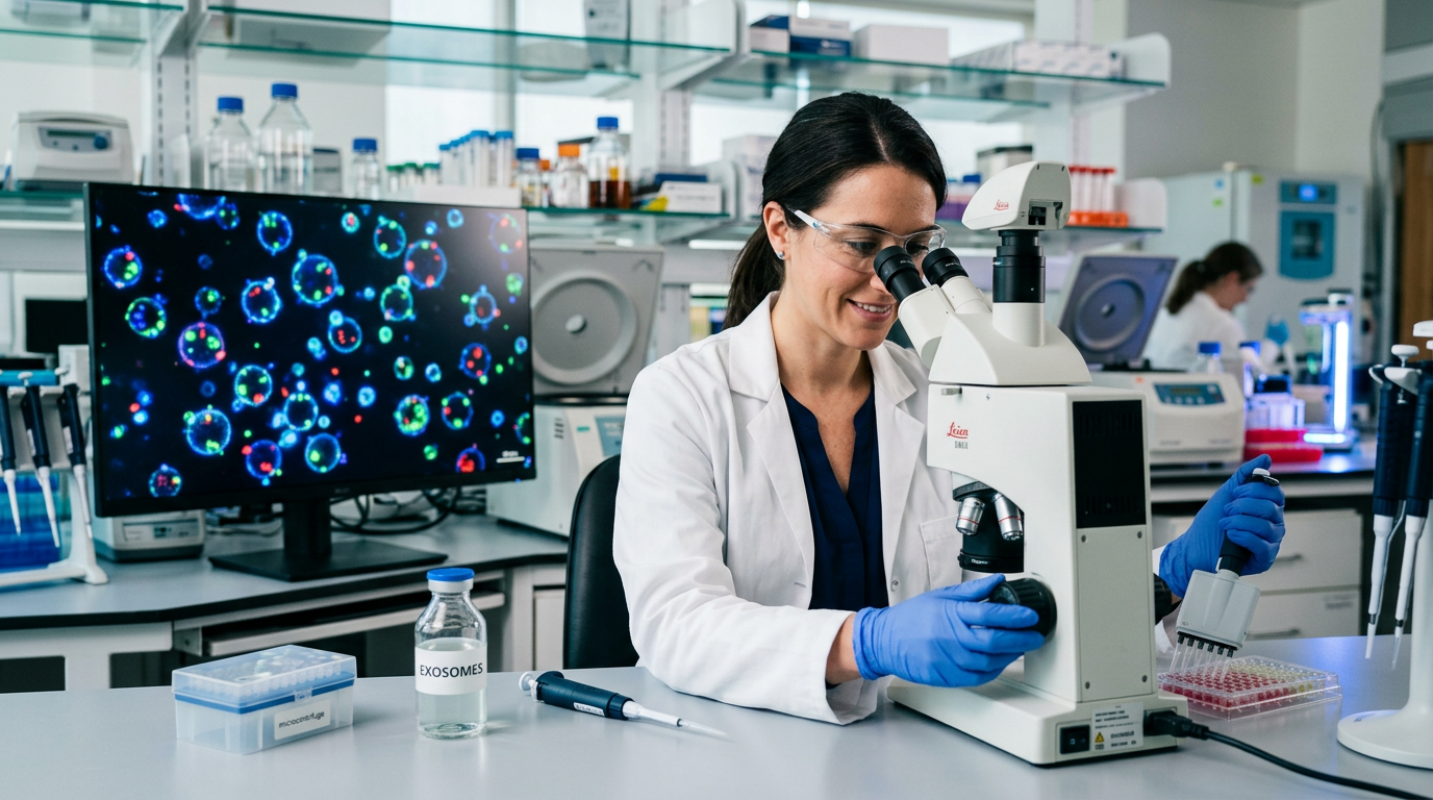
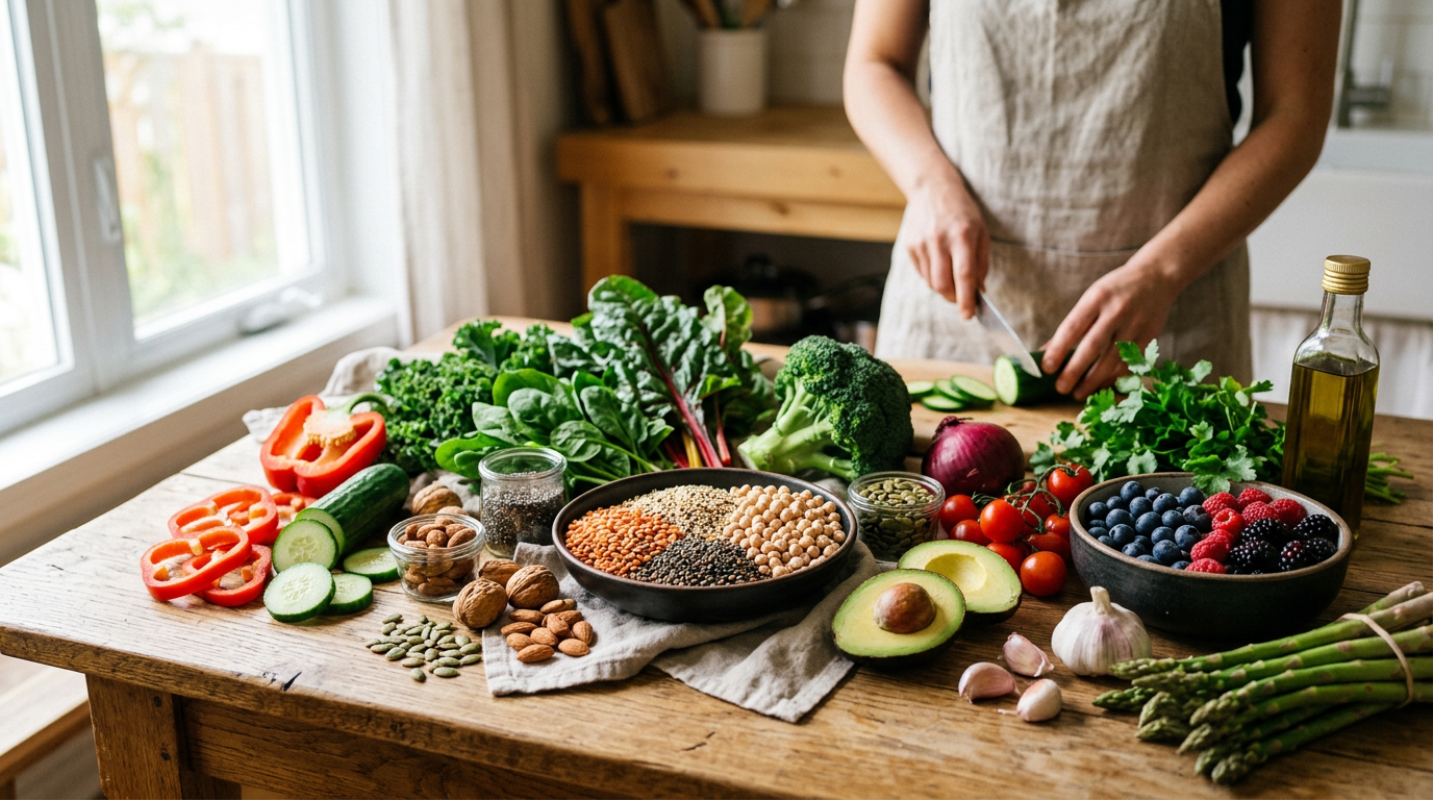
 (Image source: AI)
 You have probably spent hours obsessing over your macro splits. You have tracked every gram of protein, timed your creatine intake to the minute, and never missed a leg day. But have you ever stopped to wonder if the trillion tiny organisms living in your large intestine are actually the ones calling the shots on your gains? It sounds like science fiction, but your gut is much more than a digestive tube. Recent breakthroughs from 2024 and 2025 have confirmed that your microbiome is a virtual endocrine organ. It is constantly sending chemical signals to your muscle fibers, telling them whether to grow or wither away. If you have been hitting a plateau despite a perfect program, the problem might not be your lifting form. It might be your microbial diversity.
The Gut-Muscle Axis How Bacteria Talk to Your Biceps
Scientists now refer to this internal communication line as the gut-muscle axis. It is a two-way street where your gut bacteria produce metabolites that enter your bloodstream and land directly on your muscle tissues. Think of these bacteria as the project managers of your body. You can provide all the bricks (protein) and labor (exercise) you want, but if the project manager is asleep on the job, the house never gets built.
One of the most important ways this works is through alpha diversity, which is just a fancy way of saying the variety of different species in your gut. A 2025 meta-analysis found that high alpha diversity is a primary predictor of muscle health. People with a diverse "inner garden" have a higher Skeletal Muscle Index and better physical performance. On the flip side, when your gut diversity drops, you can fall into a nasty feedback loop. Low muscle mass leads to less activity, which further kills off your good bacteria, leading to even more muscle wasting.
This conversation happens through specific molecules called short-chain fatty acids, or SCFAs. One SCFA in particular, called butyrate, acts like a master "on switch" for muscle growth. Recent studies showed that butyrate activates the mTOR pathway, which is the primary mechanism your body uses to build new muscle protein.⁴ At the same time, it helps block the pathways that cause muscle breakdown. It is the ultimate double whammy for anyone trying to stay lean and strong.
Fueling Your Flora for Performance
So what does this actually mean for your daily routine? It means that your fiber intake is just as important as your protein shakes. To get those muscle-building metabolites, you have to feed the bacteria that produce them.
Last year, a new study revealed a specific connection between Bifidobacterium and a metabolite called inosine.² When these bacteria break down certain parts of your diet, they produce inosine, which actually shifts your muscles into a higher gear for aerobic capacity and metabolic activity. It is one of the first times we have seen a direct link between a specific bacterial byproduct and how well you can perform in the gym.
You also need to look at "quality control" for your cells. Have you heard of Urolithin A? Your gut bacteria create it from the polyphenols found in things like walnuts and pomegranates. This metabolite triggers a process called mitophagy, which is the cellular equivalent of taking out the trash. It clears out damaged mitochondria in your muscle cells so the new, healthy ones can produce more energy. People with high microbiome diversity are much better at producing this "clean-up" molecule, which leads to significantly better muscle endurance.⁴
The Who is Who of Muscle Building Microbes
Not all bacteria are created equal. If you want to optimize your body composition, you want a roster of "hero" strains and as few "villains" as possible.
• Akkermansia, This is a heavy hitter for lean mass. It strengthens your gut barrier and reduces the low-grade inflammation that usually causes muscle loss as we age.
• Prevotella copri, You will often find this strain in elite athletes. It is linked to the production of branched-chain amino acids (BCAAs) and overall energy levels.
• Lactobacillus reuteri, This is a star for hypertrophy. 2025 research found that it can increase levels of IGF-1, which is a growth factor that directly promotes muscle size.
• Proteobacteria, These are the "villains" you want to keep in check. Overgrowth is linked to systemic inflammation and rapid muscle atrophy.
• Escherichia-Shigella, Another red flag strain. It is associated with anabolic resistance, which is when your muscles stop responding to the protein you eat.
The impact of these microbes is not subtle. In one 2025 study, mice given a specific probiotic cocktail saw their muscle mass increase by a staggering 157% compared to the control group. In human studies, transferring a "young" microbiome into older subjects increased grip strength by up to 50% in just a few weeks.
The Vicious Cycle Why Poor Gut Health Stalls Progress
Have you ever felt like you are working twice as hard for half the results? That is the hallmark of a gut in dysbiosis. When your microbiome is out of balance, your body becomes incredibly inefficient at processing nutrients. You might be eating 200 grams of protein, but if your gut is inflamed, your muscles might only be "seeing" half of that.
This creates a plateau that no amount of extra sets can fix. Digestive inefficiency leads to lower energy levels, which means you can't train as hard. Lower training intensity then fails to stimulate the gut-muscle axis, and the cycle continues. Breaking this loop requires a shift in focus. You have to stop thinking of your gut as just a place where food goes and start treating it as the foundation of your athletic performance.
A Complete Approach to Gains
Training and nutrition are only half the battle. If you want to get the most from your lean muscle mass in 2026, you need to adopt what experts call the Targeted Gut Protocol 2.0. This is not about a single magic pill. It is about a long-term approach to get the most from biodiversity.
1. Aim for 30+ plants a week. Diversity in your diet leads to diversity in your gut. This is the best way to make sure you are producing enough butyrate to keep your mTOR pathway active.
2. Use lactate to your advantage. Certain bacteria, like Veillonella, actually feed on the lactate produced during intense exercise and turn it into performance-improving propionate. Pushing through those tough sets is literally feeding your best bacteria.
3. Targeted supplementation. Look for "next-gen" probiotics that specifically mention BCAA metabolism or IGF-1 support.
Your muscles are only as strong as the ecosystem supporting them. By focusing on gut diversity, you are not just improving your digestion. You are giving your body the molecular green light it needs to build and maintain lean muscle for the long haul. It is time to stop ignoring the trillions of tiny coaches living inside you.
This article on advicehelp.com is for informational and educational purposes only. Readers are encouraged to consult qualified professionals and verify details with official sources before making decisions. This content does not constitute professional advice.