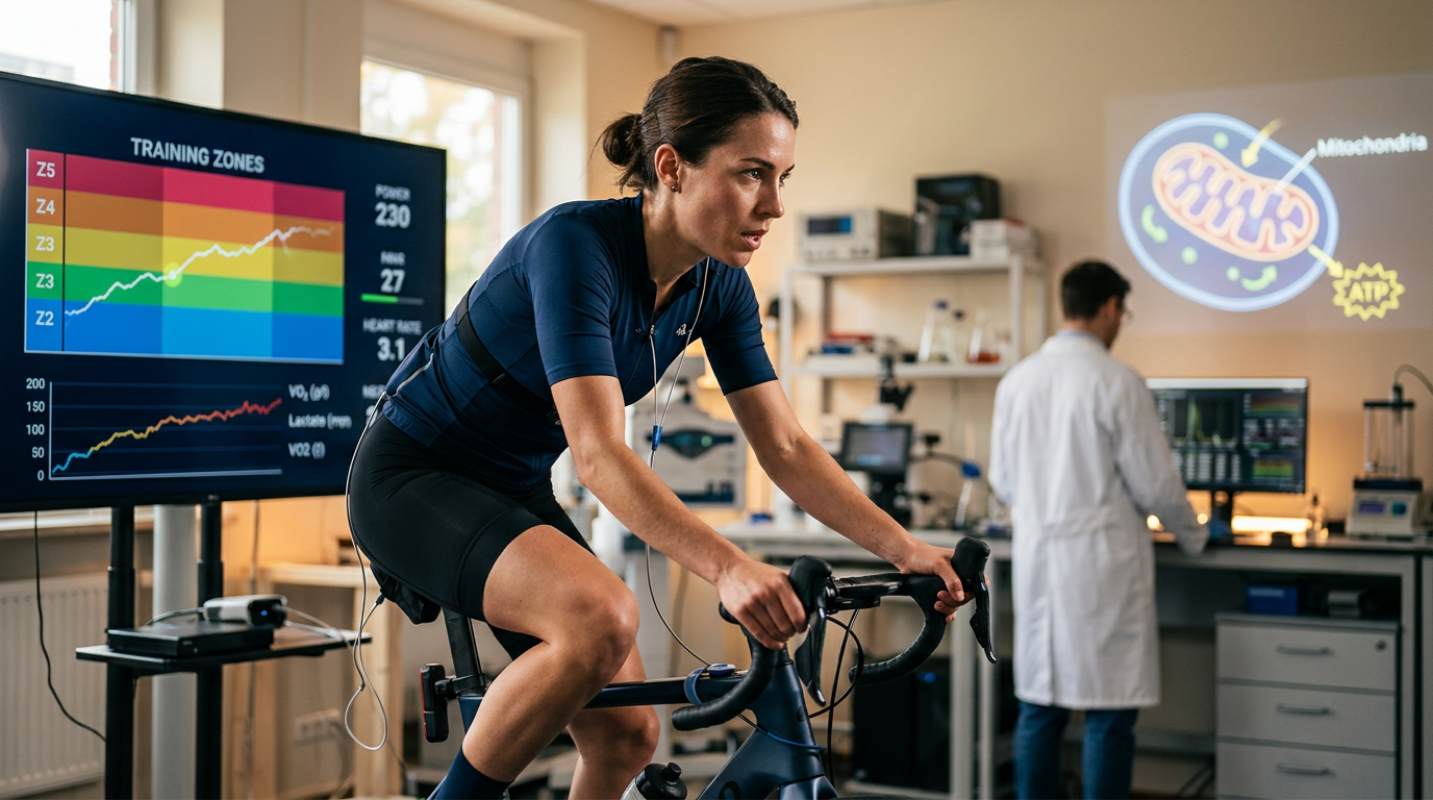
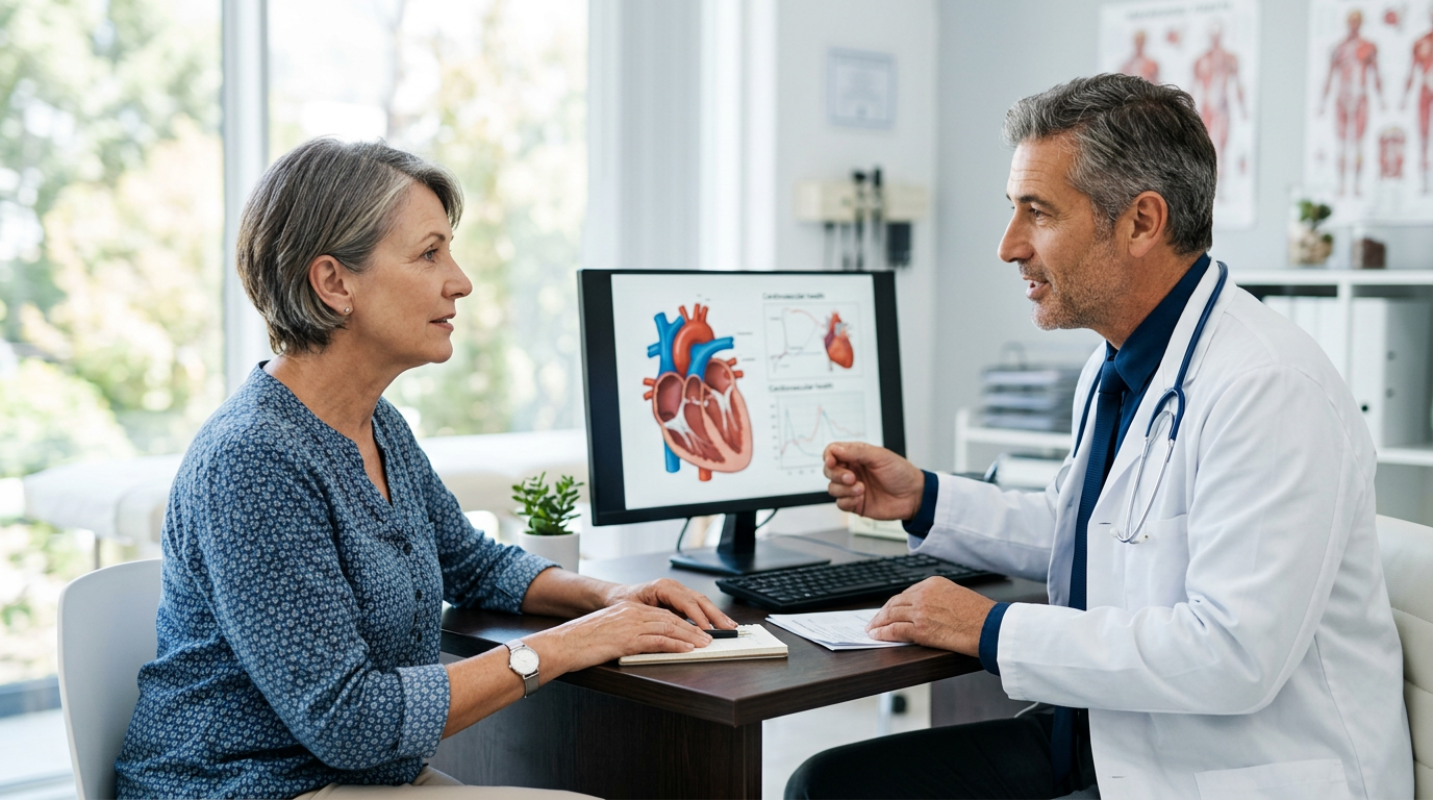
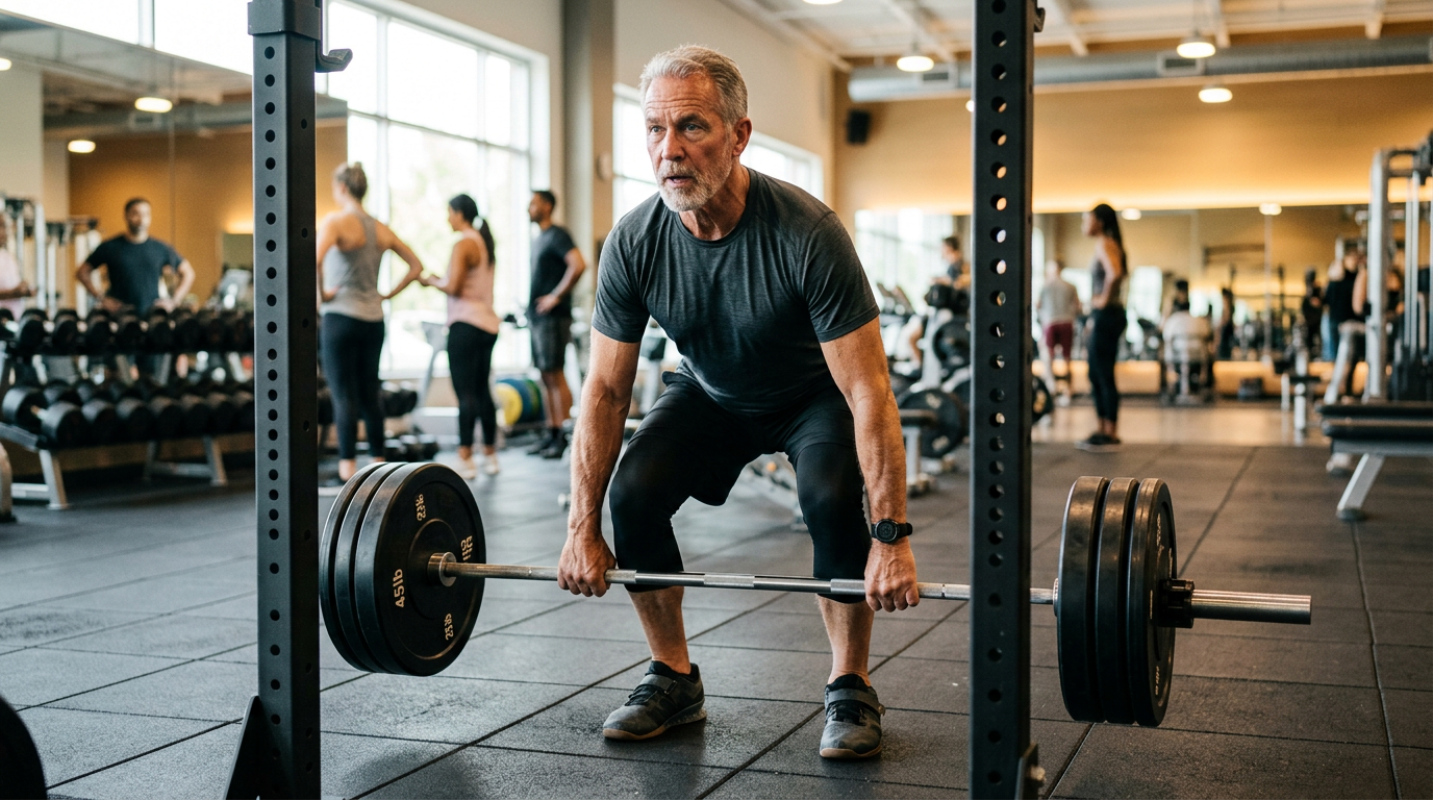
 (Image source: AI)
 You have probably heard it a thousand times. Be careful with your back. Maybe stick to the elliptical. There is this lingering idea that once you hit 40 or 50, your body becomes a fragile piece of porcelain. But here is the reality: the most dangerous thing you can do as you age is stop lifting heavy things. Maintaining muscle mass isn't just about looking good at the beach or fitting into your favorite jeans. It is the primary pillar of your metabolic health, your hormonal balance, and your independence. For years, we were told that seniors should stick to light weights and high repetitions to stay safe. We now know that advice was exactly backward.
Recent data from 2025 and early 2026 shows that the "fragility myth" is finally dying. If you want to age with confidence and stay in the game, you need to lift heavy. You need to challenge your nervous system. And most importantly, you need a protocol that respects your changing physiology without babying it.
The Physiology of the Aging Athlete
Sarcopenia is the medical term for age-related muscle loss, and it is a thief that starts small. It begins sneaking up on you in your 30s, and by the time you hit 70, you could be losing 15 percent of your muscle mass every decade. That is a staggering number. But it isn't just about the size of the muscle. It is about the power.
Research shows that muscle power, which is your ability to move a weight quickly, declines nearly twice as fast as raw strength. This is why you see older adults struggle to get out of a low chair or catch their balance after a trip. They haven't just lost muscle, they have lost the fast-twitch fibers that respond in an instant.
So what does this actually mean for your training? It means that heavy, low-rep lifting is your best friend. When you lift a heavy load, you force your brain to recruit those high-threshold, fast-twitch motor units. These are the first fibers to wither away if you don't use them. Contrary to what many people think, lifting heavy with good form is often safer for your joints than high-rep sets that lead to metabolic fatigue. When you're exhausted at rep 15, your form is much more likely to crumble than it is during a crisp, focused set of three.
Strategic Programming Quality Over Quantity
If you are a masters athlete, you can't train like a 20-year-old who lives on pizza and four hours of sleep. Your recovery window is different, but your intensity shouldn't be. The current 2026 standards for aging athletes focus on shorter, smarter sessions that pack a punch.
Think of your body like a high-performance vintage car. You can still go fast, but you need to be more intentional about the tuning and the fuel. Your program should prioritize compound movements like squats, deadlifts, and presses because they give you the biggest bang for your buck.
• Intensity: Aim for 80 to 85 percent of your one-rep max. This is the "sweet spot" for recruiting the muscle fibers that matter most for longevity.
• Volume: Keep your reps low. Sets of 3 to 5 repetitions are ideal. This allows you to maintain perfect form while still moving a significant load.
• Frequency: You don't need to be in the gym every day. Two or three heavy sessions per week are plenty, provided you allow 48 to 72 hours of recovery between sessions for the same muscle groups.
• Maximal Intent: Even if the bar moves slowly because it is heavy, you must try to move it as fast as possible during the lifting phase. This "intentional velocity" is what keeps your nervous system young and your power output high.
Prioritizing Joint Integrity and Mobility
Have you ever felt that nagging ache in your knees or shoulders and thought that lifting would make it worse? It is actually the opposite. Data from the Osteoarthritis Initiative shows that regular lifters have significantly lower odds of frequent knee pain. Your muscles act as biological shock absorbers. When they are strong, they take the pressure off your joints.
But you do have to be smarter about your prep. A dynamic warm-up is no longer optional. You need to get the blood flowing and prepare your connective tissue for the load. Focus on eccentric control, which is the lowering phase of the lift. Spending 3 to 5 seconds lowering the weight helps stiffen your tendons and builds a more resilient frame.
For those days when your joints just aren't feeling it, 2025 research has popularized Blood Flow Restriction (BFR) training. By using specialized cuffs, you can "trick" your muscles into growing using very light weights. This is a fantastic tool for weeks, allowing you to maintain muscle mass without the mechanical stress on your cartilage.
Nutrition and Recovery The Fuel for Performance
You cannot out-train a poor recovery plan, especially as you get older. Aging muscles face a hurdle called anabolic resistance. This means your body isn't as efficient at turning protein into muscle as it used to be. To overcome this, you need to be aggressive with your protein intake.
Experts now recommend 1.2 to 1.5 grams of protein per kilogram of body weight for masters athletes. If you are just "eating healthy" without tracking, you are likely falling short. Supplementing with 3 to 5 grams of creatine monohydrate daily is another easy win. It is one of the most researched supplements in history and has been shown to help older adults gain significantly more lean mass than lifting alone.
Sleep is your most powerful recovery tool. As an aging athlete, your hormonal profile depends on those seven to nine hours of quality shut-eye. This is when your body repairs the micro-tears in your muscles and resets your central nervous system. If you aren't sleeping, you aren't growing.
Building a Legacy of Strength
At the end of the day, lifting heavy isn't just about the numbers on the bar. It is about the mental shift that happens when you realize you are getting stronger while the rest of the world tells you to slow down. There is a deep, quiet confidence that comes from knowing you can pick up a heavy box or hike a steep trail without a second thought.
Stop comparing yourself to the 22-year-old influencer on social media. Your only competition is the version of you that was tempted to stay on the couch. Focus on your own progress and celebrate the fact that you are investing in your future self.
Consistency is the ultimate protocol. You don't need a perfect workout every time, but you do need to show up. Keep the loads heavy, keep the reps crisp, and keep your recovery top of mind. Your 80-year-old self will thank you for the work you are doing today.
This article on advicehelp.com is for informational and educational purposes only. Readers are encouraged to consult qualified professionals and verify details with official sources before making decisions. This content does not constitute professional advice.