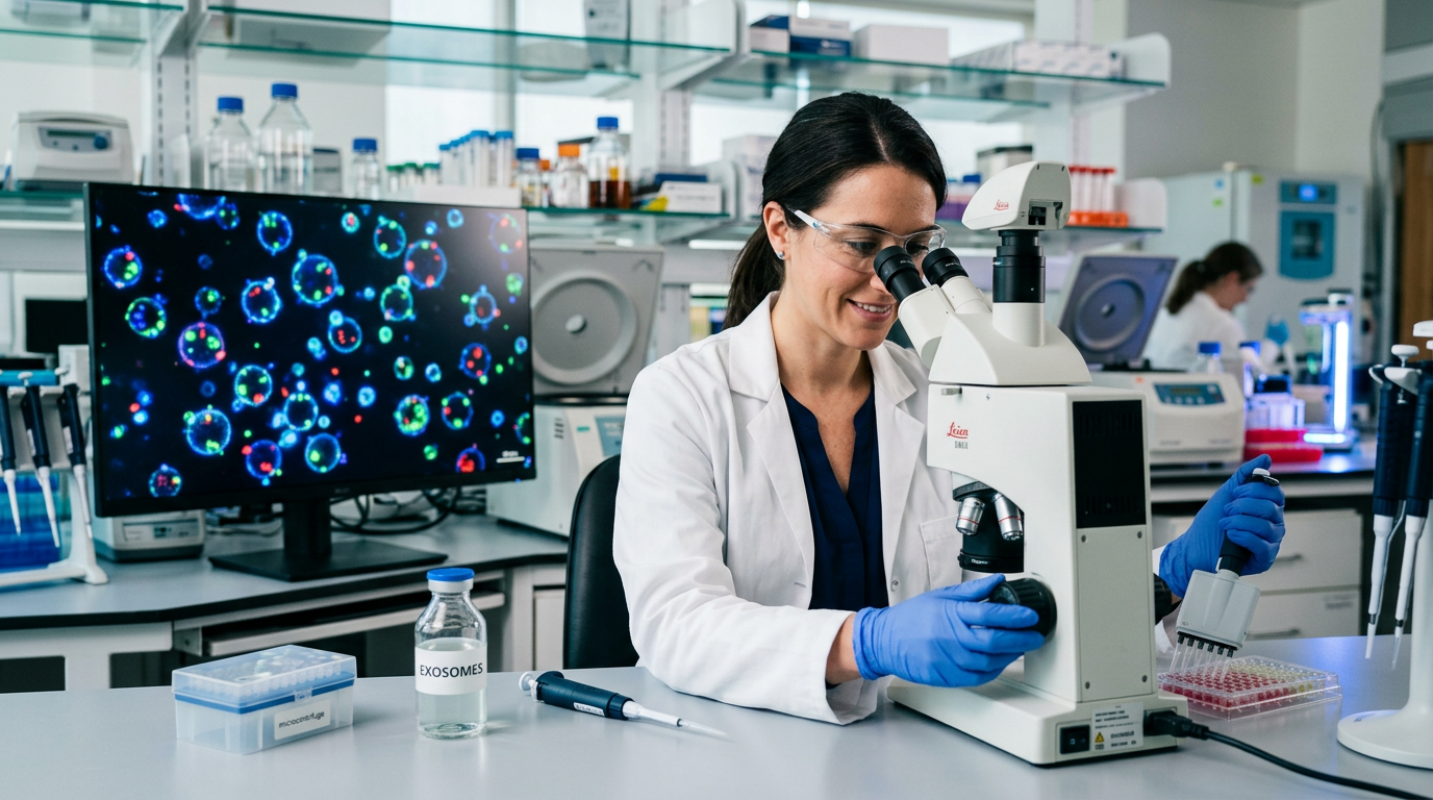
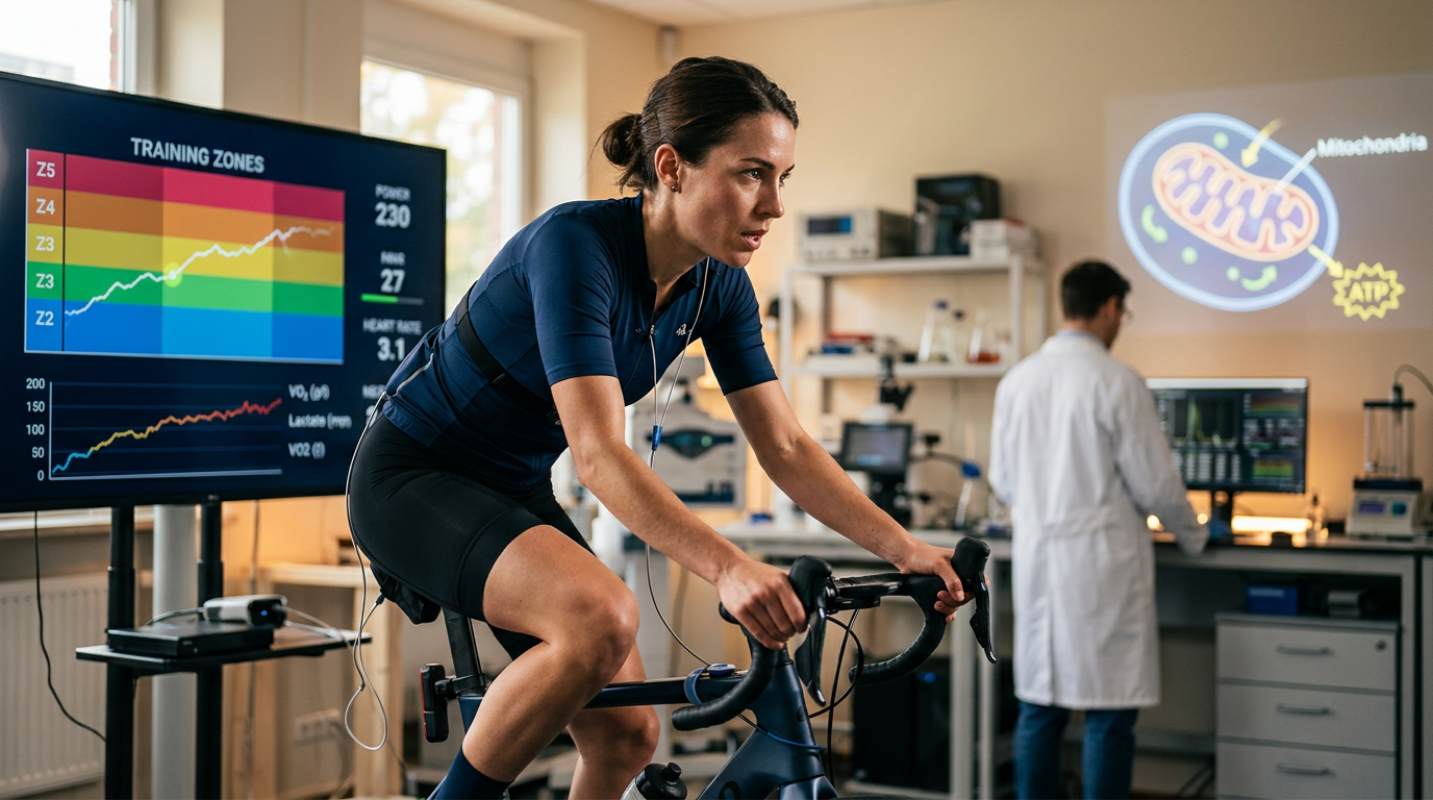
 (Image source: AI)
 Have you ever stood in the supplement aisle of a grocery store, staring at rows of brightly colored bottles, and felt a sense of total exhaustion? It isn't just you. We've all been there. You buy the "energy-boosting" multivitamin or the latest herbal extract, take it for a month, and feel exactly the same. Most of us have a drawer full of half-used bottles that represent nothing more than expensive, neon-colored urine. The reason most supplements fail isn't necessarily that the ingredients are fake. It's because they never actually reach the target. Think of your body as a massive, high-security skyscraper. Most vitamins are like delivery drivers who can't get past the lobby. They circulate in your blood for a bit, but they never get into the individual offices, your cells, where the real work happens.
This is where the concept of bioavailability comes in. It's the missing link in modern health. If a compound can't survive your stomach acid or cross the fatty membrane of a cell, it's useless. For decades, the supplement industry ignored this, focusing on high dosages instead of actual absorption. But as we move through 2026, the conversation has shifted. We're finally seeing products designed to work at a molecular level rather than just filling a nutritional gap.
The Science of Longevity Moving Beyond Basic Nutrition
We used to think of health as the absence of disease. If you weren't sick, you were fine. But the new science of longevity asks a different question: How well are your engines running? In this case, those engines are your mitochondria. These tiny power plants inside your cells are responsible for creating the energy that keeps your heart beating and your brain firing.
As you age, your levels of a key molecule called NAD+ start to tank. Think of NAD+ as the cellular fuel that keeps the lights on. By the time you're 50, you likely have half the NAD+ you had in your 20s. When fuel runs low, the power plants (mitochondria) start to sputter and break down. This leads to that general sense of "slowing down" that we often just accept as part of getting older.
The goal of modern cellular support is to move beyond just "feeling better" in a vague sense. It's about functioning better at a molecular level. We're looking for ways to repair DNA, recycle old cellular parts, and keep the energy production line moving. It's a fundamental shift from reactive medicine to proactive maintenance. So what does this actually mean for your daily routine? It means looking for ingredients that have been proven to cross the finish line.
The Heavy Hitters Ingredients That Actually Move the Needle
If you want to actually change your cellular health, you need to know about the heavy hitters that have survived the latest clinical scrutiny. Leading the pack is NMN (Nicotinamide Mononucleotide). It's a precursor that your body converts directly into NAD+. Although it faced some legal hurdles a few years ago, the FDA officially cleared NMN for use in supplements in late 2025, which has led to a massive wave of high-quality products hitting the market.
The data behind NMN is hard to ignore. Recent trials showed that adults taking between 600mg and 900mg daily saw significant improvements in their physical endurance and muscle strength. Even more impressive, 2025 data showed that men in their late 40s and 50s who took a gram a day had telomeres, the protective caps on our DNA, that looked nearly twice as long as those in the placebo group. It's like giving your cells a software update that rolls back the clock.
Then there's Urolithin A. If NMN is the fuel, Urolithin A is the cleanup crew. It triggers a process called mitophagy, which is basically your cells' way of taking out the trash. It identifies old, damaged mitochondria and recycles them into fresh, new ones. A major study published in late 2025 showed that 1,000mg of Urolithin A daily could actually rejuvenate the immune system by increasing "youthful" T-cells. This is a massive deal because it means we can potentially reverse the immune decline that makes us more vulnerable as we age.
Finally, we have Liposomal NAD+. For a long time, scientists thought taking actual NAD+ was a waste of time because the gut would just destroy it. But liposomal technology has changed the game. By wrapping the NAD+ molecule in a tiny bubble of fat (a phospholipid bilayer), it can bypass the digestive tract and enter the bloodstream directly. It's the most direct way to get a quick boost, often used by people to recover from jet lag or intense physical stress.
Separating Marketing Hype from Biological Reality
The supplement market is a bit of a Wild West, and you have to be a savvy shopper to avoid getting scammed. One of the biggest red flags is the "proprietary blend." If a company won't tell you exactly how many milligrams of each ingredient are in the bottle, it's usually because they've "dusted" the product with just enough of the expensive stuff to put it on the label, but not enough to actually do anything.
You also need to be wary of where you buy. A 2024 study found that a shocking number of Urolithin A and NMN supplements sold on major platforms like Amazon contained zero percent of the active ingredient. Zero. That's why experts now insist on seeing third-party purity certifications. If a brand isn't showing you their lab reports, don't put their pills in your body.
Liposomal delivery is another thing to look for. It's more expensive, but it's often the difference between a supplement that works and one that doesn't. The Kawakami Study from early 2025 found that liposomal NMN increased blood NAD+ levels by 84 percent, which is nearly double what standard NMN powder can do. Even better, those levels stayed elevated for weeks after the participants stopped taking the supplement. It suggests that the liposomal version actually "primes" your cellular machinery to work better on its own.
Integrating Cellular Support Into Your Daily Routine
So you've got the right ingredients, but how do you actually use them? Consistency is everything. You can't take a cellular supplement for three days and expect to feel like a teenager. This is about long-term maintenance, not a caffeine-style buzz. Most people report that the real "shift" happens around the 90-day mark. That's when you might notice you're recovering faster from workouts or that your afternoon brain fog has started to lift.
Many experts, including those at Harvard, recommend "stacking" these supplements for the best results. Like, taking NMN with a fat source like yogurt can help with absorption. It's also common to pair NMN with TMG (Trimethylglycine) to keep your body's methylation process in balance. It's all about creating a teamwork that supports your biology from multiple angles.
Of course, no pill can replace the basics. These supplements work best when they're layered on top of a solid foundation of sleep and movement. Think of them as the high-octane additive you put in a car that's already being well-maintained. Investing in your cellular health is really an investment in your future self. It's about making sure that when you're 80, you still have the energy and to enjoy the life you've built.
This article on advicehelp.com is for informational and educational purposes only. Readers are encouraged to consult qualified professionals and verify details with official sources before making decisions. This content does not constitute professional advice.