 (Image source: AI)
 Have you ever sat in a cold doctor's office, staring at a lab report that looked like a sea of red ink? That was me last year. When my physician pointed at a skyrocketing LDL number and immediately reached for his prescription pad, I felt a knot in my stomach. He wanted to start me on a statin right away. It's a common story, but I wasn't ready to jump on the pharmaceutical train just yet. I’d heard too many stories about the "statin fog" and nagging muscle aches from friends. I wanted to know if there was a way to fix the plumbing without a lifetime focus on a pill bottle. I set an intention right then to see if I could move the needle using evidence-based natural interventions.
It wasn't about being "anti-medicine." It was about wanting to see what my body could do with the right botanical support and a few lifestyle shifts. I gave myself six months to prove it could work.
The Science of Botanical Extracts in Cardiovascular Support
Before you go raiding the health food store, it's important to understand how these plants actually work. We aren't talking about magic potions or placebo effects. Modern research from 2024 and 2025 shows that certain botanical extracts interact directly with your lipid metabolism.
Think of your liver like a busy airport. Some extracts help clear out the "planes" (LDL particles) faster, while others prevent too many from taking off in the first place. We've moved far beyond old wives' tales into a world of evidence-based herbal medicine. Recent clinical trials have started to bridge the gap between traditional wisdom and hard data.
Of course, you shouldn't just wing it. Even though these are natural, they're powerful. Always talk to your healthcare provider before starting a new regimen, especially since some extracts can be quite potent. You want a partner in your health journey, not a DIY project that could backfire.
My Top Three Natural Allies for Lipid Balance
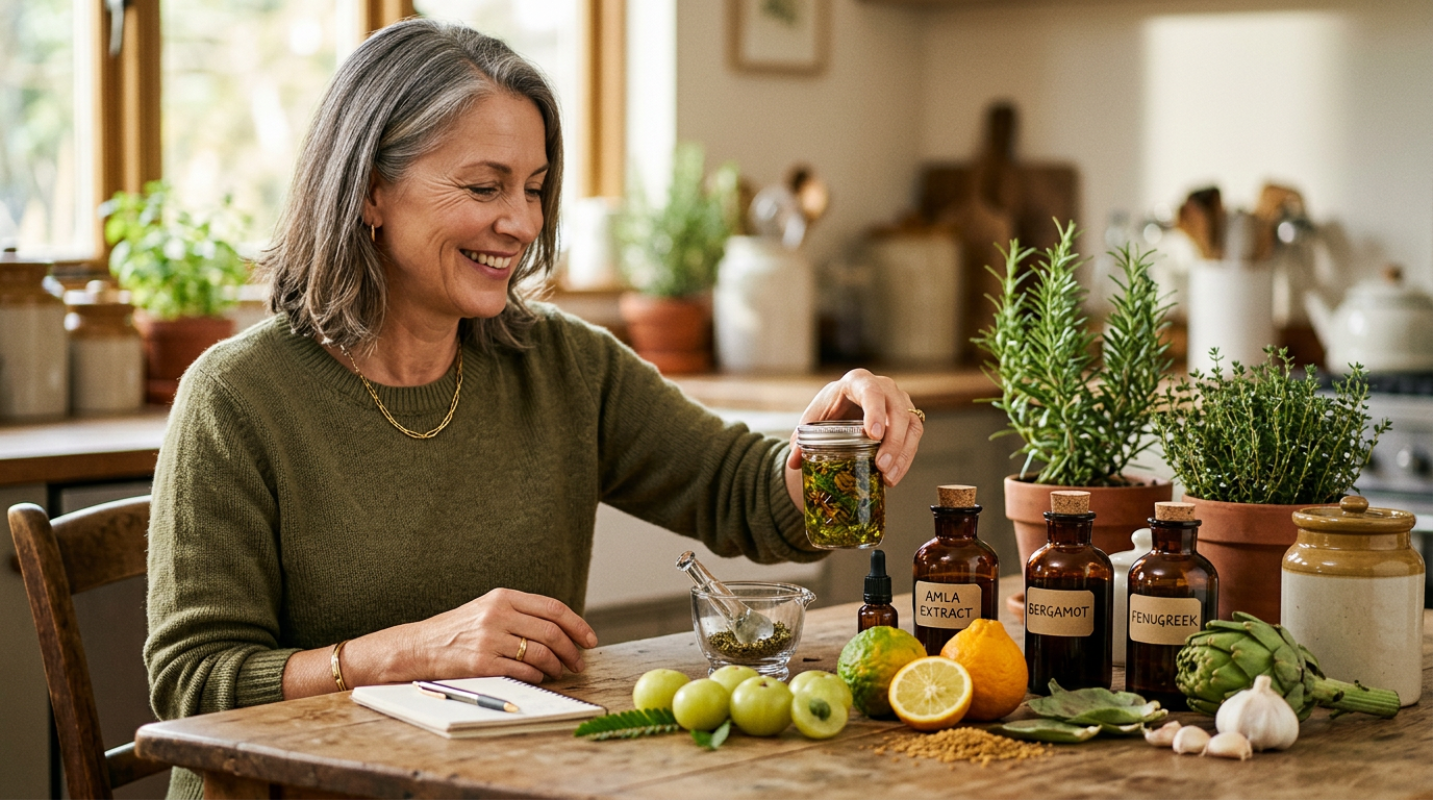
After scouring the latest research, I landed on three specific extracts that seemed to have the most weight behind them.
1. Berberine, This has been called a natural statin, but it actually works differently. It helps upregulate LDL receptors, which means your body gets better at pulling cholesterol out of your blood. Recent data from 2025 shows it can reduce LDL by 15% to 20%.¹ It also helps with blood sugar, which is a nice bonus for your overall metabolic health.
2. Red Yeast Rice (RYR), This is the heavy hitter of the bunch. It contains monacolin K, which is chemically identical to a low-dose statin. A 2024 meta-analysis showed it could drop LDL by about 14% to 22%. You have to be careful with the source, though. You want a product that's third-party tested to make sure it doesn't have a nasty toxin called citrinin.
3. Bergamot Extract, This isn't just for Earl Grey tea. Standardized bergamot is a flavonoid powerhouse. Studies from late 2024 found it can lower LDL by about 11% while actually raising your "good" HDL cholesterol by 5% to 8%. It’s a great choice if you’re sensitive to other supplements because it has a very clean safety profile.
Beyond Supplements Creating a Sustainable Lifestyle
If you think you can just pop a few berberine capsules and keep eating drive-thru burgers, I have bad news. Botanical extracts aren't a hall pass for a poor diet. They work best when they're part of a bigger picture.
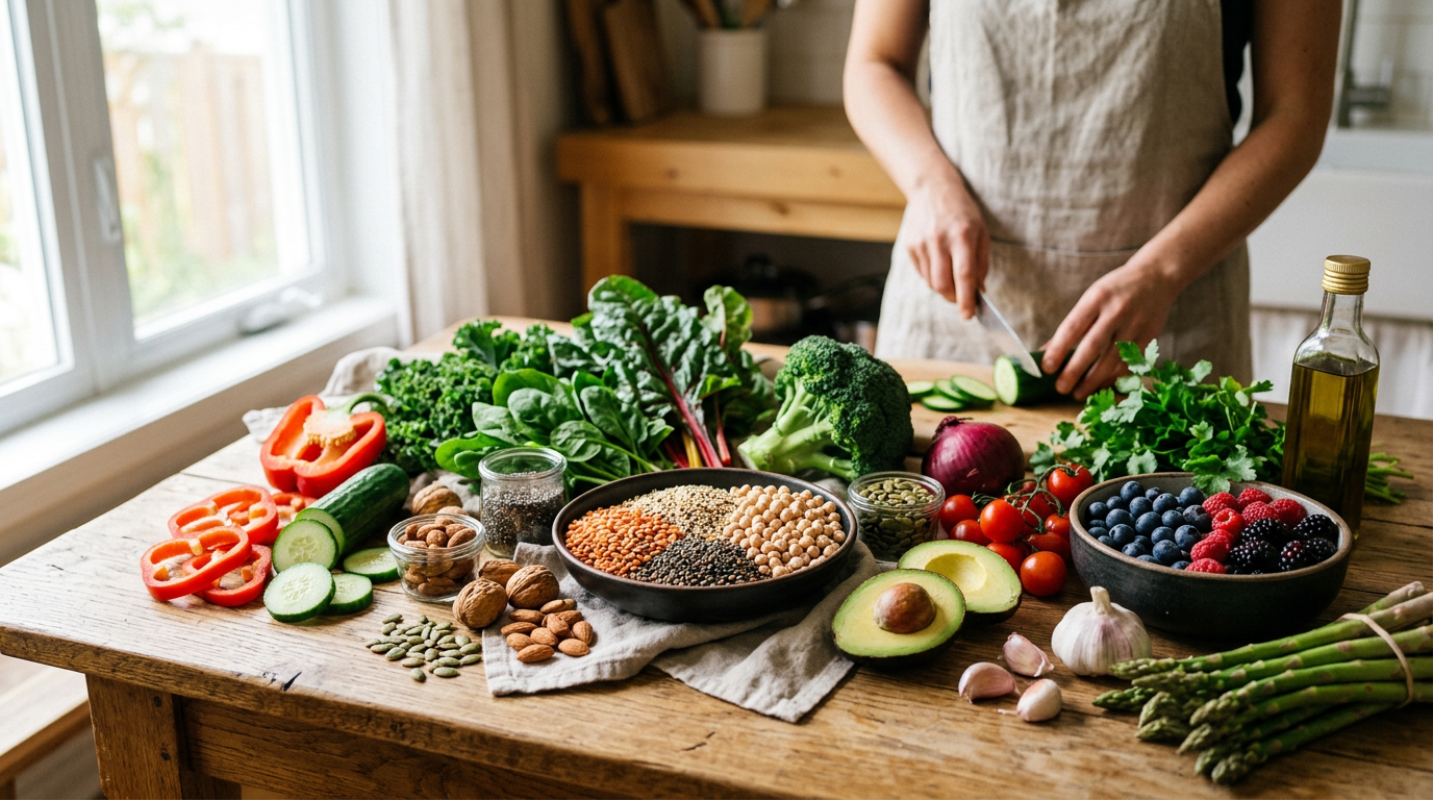
I started loading my plate with fiber-rich foods like beans, oats, and heaps of leafy greens. Fiber acts like a broom in your digestive tract, sweeping out cholesterol before it can get into your bloodstream. It's the perfect teammate for something like bergamot or red yeast rice.
Consistent movement is the other half of the equation. You don't need to run marathons. I just committed to a brisk 30-minute walk every single day. It sounds simple, but that consistency helps optimize how your body processes lipids. I also made sure to track my progress with regular blood work every three months to see what was actually happening under the hood.
The Results How My Numbers Stabilized
So what does this actually mean for the bottom line? After six months of this "botanicals plus lifestyle" approach, my numbers didn't just budge, they stabilized. My LDL dropped into the healthy range, and my triglycerides followed suit.
The best part wasn't just the numbers on the paper. It was the confidence I gained by taking control of my own health outcomes. I didn't feel like a passive passenger in my own body anymore. I felt like the pilot.
I still keep a balanced perspective. If my numbers hadn't improved, I would have had a serious conversation with my doctor about pharmaceuticals. Natural interventions are a fantastic tool for those of us at low-to-moderate risk, but they aren't the only tool. For now, though, I'm sticking with the plants. They've earned their spot in my daily routine.
This article on advicehelp.com is for informational and educational purposes only. Readers are encouraged to consult qualified professionals and verify details with official sources before making decisions. This content does not constitute professional advice.